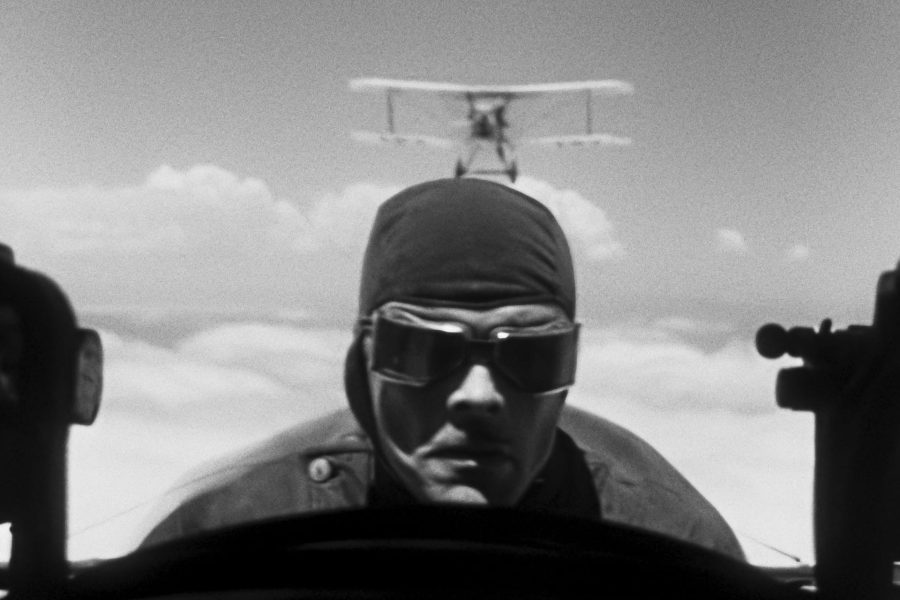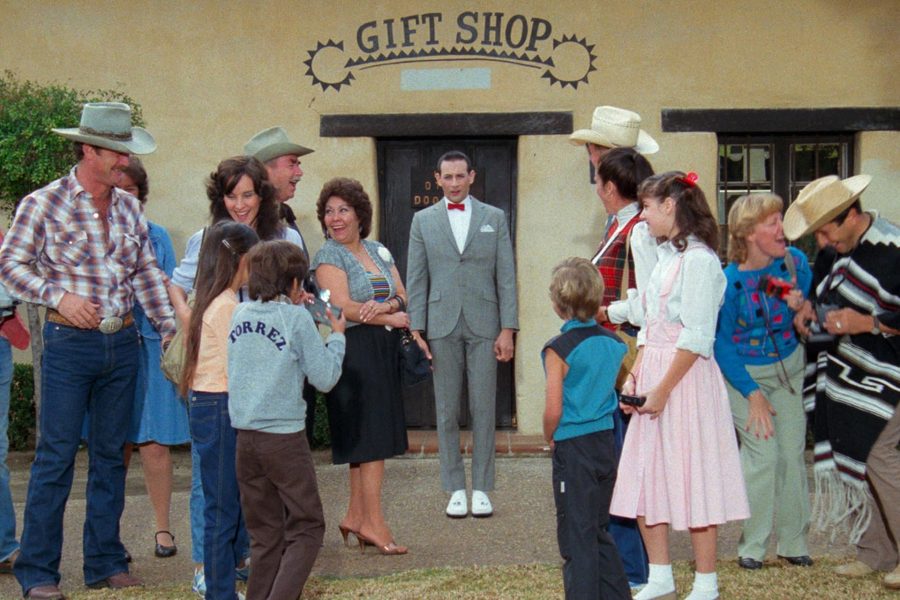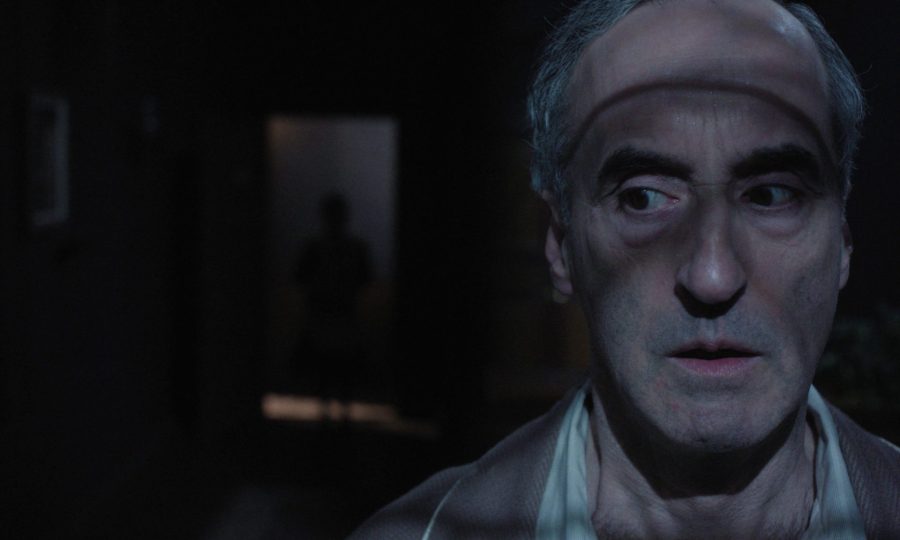

Adrian Chase, the self-proclaimed hero known as Vigilante, is the anarchic heart of James Gunn's Peacemaker. Unlike the main character, who is defined by his internal struggle and emotional growth, the power of Vigilante as a character is derived from his absolute lack of change throughout the story. It's screenwriting rule number one to give every character an arc, so why does Vigilante's lack of growth work to make him a fan favourite? Vigilante's position as a fixed point of moral literalism—a character who perceives the world in simplistic black and white terms—allows Gunn to elevate the complexity and dark comedy of the show.
In the first season, Vigilante's (Freddie Stroma) greatest contribution is his constancy. He serves as the unwavering baseline against which Peacemaker's (John Cena) development is measured. Adrian's childlike sociopathy, characterised by his unrelenting enthusiasm for violence, provides the show's most reliable source of dark humour. This allows the audience to safely process the show's extreme situations, grounding the unique tone amidst the heavy trauma surrounding the other characters.
Functioning as Peacemaker's moral anchor, or sometimes more accurately, his moral counterweight, Vigilante is the ever-present voice encouraging simplicity and violent solutions. He holds this position while Christopher Smith's journey moves toward empathy and connection. This dynamic defines Chris's growth and underscores the decisions he makes as he develops throughout the season.
The thematic brilliance of Vigilante lies in his position as a narrative extremist, which is the embodiment of absolute moral literalism in a world of compromise. His philosophy is “bad people die, good people live” and any struggle he has is purely logistical, which means he experiences a dangerous lack of inner conflict. Unlike Peacemaker, who is haunted by his past, Adrian actively enjoys his job. He is what moral certainty looks like in practice.
During the butterfly operation in Season 1, Peacemaker hesitates to kill an alien-possessed family. Despite knowing the family is a genuine threat, Chris is paralysed by the sight of the children, proving that even a belligerent killer retains a shred of humanity. In contrast, Vigilante steps in without a moment's hesitation, dispatching the family while cheerfully humming to himself. For Adrian, the scenario is entirely simple: they are “bad”, therefore killing them is a logistical necessity in the pursuit of “good”. This moment uses Vigilante's unburdened literalism to brutal effect.
This simplified view immediately highlights the agony of the grey for the other characters. When Peacemaker struggles with this kill, Vigilante's reaction—making the shot himself—underscores the huge moral chasm between them.

The main ensemble of Peacemaker is defined by relentless turmoil, creating a sharp and dramatic contrast to Vigilante's absolute simplicity. Chris is tortured by family trauma and crippling guilt over his violent past, while Leota Adebayo (Danielle Brooks) struggles with the ethical burden of working for her manipulative mother, Amanda Waller (Viola Davis), and the betrayal of her team. Emilia Harcourt (Jennifer Holland) and John Economos (Steve Agee) are similarly wracked with professional regret and risk their careers and freedom over their moral compromises. They exist in a constant state of agonising over the “grey”, where every decision is steeped in consequence. Meanwhile, Adrian is blissfully unburdened by conscience or doubt. His philosophy is a literal, straightforward code, rendering him immune to guilt.
Gunn masterfully uses Vigilante to mine humour from the narrative. With Adrian's difficulty with sarcasm, he constantly misses the point of emotionally charged conversations, treating profound moral questions as less than they are. His consistent enthusiasm for violence is primarily used to inject black comedy and chaotic energy into the narrative. He acts as a humorous counterpart who highlights just how desperately lost and compromised the other main characters truly are.
The power of deferred development
This stagnation, however, proves to be Gunn's greatest setup. Adrian's entire identity and value system are tethered to his toxic idolisation of Peacemaker. Therefore, Chris's decision in Season 2 to pursue a life in a parallel dimension, which means leaving Adrian behind, directly forces Adrian to confront the fragility of his emotions. As a result of this, Gunn grants Adrian more room for an emotional arc. It signifies a shift to a full character, where Adrian ceases to be merely a reflective device and gains his own internal drama.
For this character, Peacemaker's dimensional jump is the ultimate abandonment. It shatters the simple “best friend” logic Adrian had meticulously constructed. His reaction is the first true sign of vulnerability that cannot be solved with violence. It is an emotional pain that highlights his profound isolation, which Season 1 only implied comedically. Where before he would always default to “kill the bad guy”, an emotionally impacted Vigilante must now struggle with deeper concepts: betrayal, loneliness, and self-worth. This shifts the stakes for Adrian's character.
As Gunn noted on Peacemaker: The Official Podcast, he originally thought Vigilante didn't have the ability to change and could only be kept under control or contained by his friends. However, he explained that while writing, the character of Vigilante took him by surprise and challenged his idea that he couldn't evolve.
In Peacemaker, Vigilante's brilliance lies in his stagnation throughout the first season, providing the perfect, unmoving mirror for Peacemaker's growth and anchoring the show's dark comedic tone. Vigilante's arc in Season 2 transforms the show's funniest element into an occasionally serious source of tension. This highlights the painful, true cost of moral reckoning.
Podcast